Discovering the Essential Applications of Aluminum Castings Throughout Different Fields
Light weight aluminum castings play a vital duty in multiple industries. Their lightweight and resilient features add to advancements in automobile and aerospace sectors. Additionally, they enhance building integrity and customer item layout. As sustainability becomes a concern, the environmental benefits of light weight aluminum castings additionally highlight their value. Recognizing the substantial applications of this material can reveal understandings right into modern-day production techniques. What certain developments are being made in these different industries?
Automotive Sector Innovations
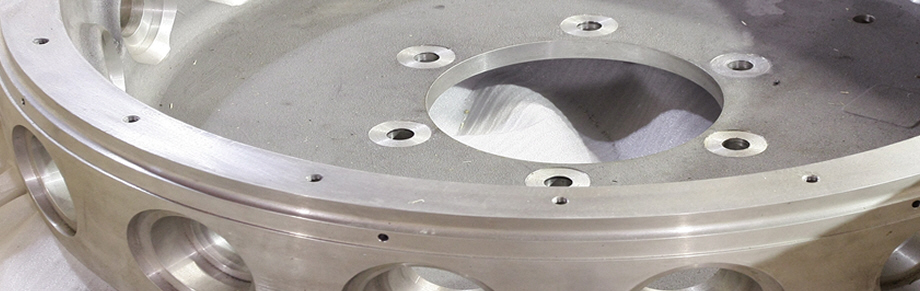
Moreover, aluminum castings play a vital duty in electric vehicles, where weight reduction is extremely important for battery effectiveness. With the assimilation of aluminum in engine blocks, transmission real estates, and architectural elements, car manufacturers can achieve premium resilience while preserving peak performance. As the demand for lasting and effective automobiles grows, the vehicle sector remains to accept light weight aluminum spreading technologies, positioning itself at the forefront of technological innovations and environmental obligation.
Aerospace Advancements
While the aerospace sector continuously seeks ways to enhance efficiency and performance, advancements in aluminum castings have become a critical element in attaining these objectives. The lightweight nature of light weight aluminum considerably adds to fuel efficiency, minimizing total aircraft weight without jeopardizing structural integrity. Technologies in casting methods, such as die spreading and financial investment casting, enable elaborate styles that enhance the rules of aerodynamics and efficiency.
Moreover, developments in metallurgy have boosted the stamina and corrosion resistance of aluminum alloys, making them ideal for various aerospace applications, including engine parts and body structures. The ability to create intricate forms minimizes the number of components required, streamlining setting up procedures and lessening upkeep needs. As aerospace producers progressively transform to light weight aluminum spreadings, they are discovering that these innovations not only drive operational performance however also sustain sustainability goals via decreased energy usage during trip.
Building and construction Applications
Aluminum spreadings play a crucial duty in the construction market, providing a mix of toughness, sturdiness, and light-weight homes that enhance structural stability. Wisconsin Aluminum Foundry. These castings are used in a selection of applications, consisting of home window structures, door frames, and roof, where their resistance to rust and weathering is especially helpful. In addition, light weight aluminum castings add to power performance, as their light-weight nature minimizes the overall load on frameworks, helping with much easier transport and setup
Furthermore, the versatility of aluminum permits complicated geometries and elaborate styles, meeting visual demands without compromising structural efficiency. In seismic regions, aluminum castings can be employed in essential structural parts, supplying substantial advantages regarding versatility and strength. Overall, making use of aluminum spreadings in building and construction not only boosts the efficiency of buildings but also supports lasting structure practices by enabling making use of recyclable materials in building projects.
Durable Goods Manufacturing
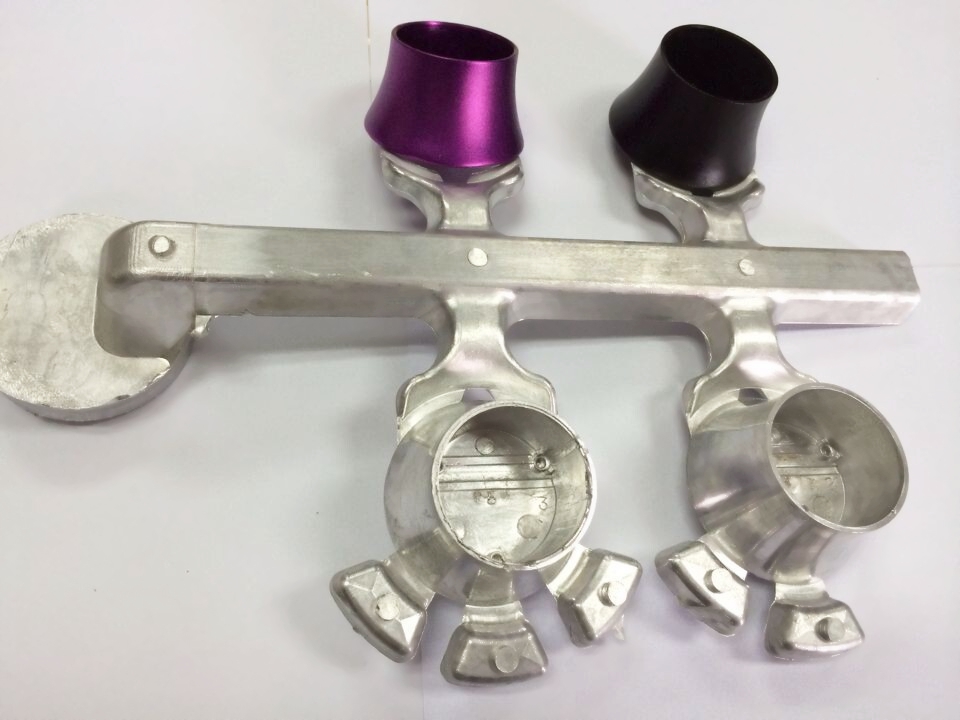
In consumer items producing, aluminum castings play a vital duty in lightweight product style, permitting easier handling and improved performance. Their enhanced toughness functions add to the longevity and dependability of everyday products. This mix of advantages makes aluminum a recommended material in the affordable customer products market.
Light-weight Product Layout
As manufacturers progressively prioritize efficiency and sustainability, lightweight item style has actually arised as a vital element of customer items growth. The assimilation of aluminum castings permits developers to create products that are not only lighter but likewise more energy-efficient. This reduction in weight adds to reduce transportation prices and enhanced customer experience, as consumers progressively seek easier-to-handle items. In addition, light-weight styles facilitate cutting-edge aesthetics, allowing brands to distinguish themselves in an affordable market. The flexibility of light weight aluminum permits complex forms and forms, boosting total design freedom. Lightweight item design is coming to be crucial for companies aiming to fulfill modern-day customer demands while adhering to ecological considerations. This fad is improving how items are conceptualized and produced throughout various fields.
Boosted Resilience Functions
While contemporary customers require items that are both light-weight and aesthetically pleasing, enhanced longevity attributes have come to be just as crucial in durable goods making. Aluminum castings use extraordinary strength-to-weight proportions, permitting producers to develop things that hold up against daily wear and tear. The integral rust resistance of light weight aluminum warranties that items preserve their appearance and capability in time, reducing the requirement for constant replacements. Additionally, casting methods make it possible for the production of smooth styles that enhance architectural integrity. As an outcome, makers can supply durable goods that not just satisfy performance expectations however likewise provide durability. This concentrate on sturdiness not only boosts consumer contentment however likewise aligns with sustainability goals by minimizing waste and promoting accountable intake.
Electrical and Electronic Devices Sector
The electric and electronics market increasingly relies upon light weight browse this site aluminum castings for their light-weight, long lasting, and very conductive properties. These spreadings are essential in manufacturing various components, including real estates, rooms, and warm sinks. Their low thickness allows for lowered total weight in digital devices, boosting transportability without endangering performance. In addition, light weight aluminum's exceptional thermal conductivity is essential for dissipating warmth created by digital parts, making sure suitable working and durability.
Aluminum spreadings provide excellent deterioration resistance, which is crucial for maintaining electronic stability in numerous atmospheres. The capacity to produce intricate shapes and elaborate layouts via casting strategies additionally sustains technology in item development, permitting manufacturers to meet certain technological requirements. As the demand for high-performance and energy-efficient digital gadgets continues to expand, light weight aluminum castings are positioned as a vital material, promoting advancements in technology throughout the sector. Their adaptability and reliability make them crucial in the contemporary electric and electronics landscape.
Sustainability and Environmental Impact
Acknowledging the growing problem for ecological sustainability, the light weight aluminum casting market has actually made substantial strides in decreasing its eco-friendly impact. The production of light weight aluminum spreadings currently increasingly utilizes recycled products, reducing power usage and raw material removal. This shift not only conserves sources but also decreases greenhouse gas emissions related to main light weight aluminum manufacturing.
Additionally, developments in modern technology have actually resulted in much more reliable spreading processes, even more lowering waste and enhancing energy efficiency. Numerous suppliers are adopting lasting techniques such as closed-loop systems that recycle water and decrease commercial waste.
Light weight aluminum's light-weight nature enhances gas efficiency in transportation sectors, adding to reduced exhausts over the lifecycle of automobiles. As the sector remains to prioritize and introduce sustainability, light weight aluminum castings are poised to play an essential duty in promoting ecologically accountable techniques across different sectors, straightening with international initiatives to deal with climate change and advertise lasting development.
Regularly Asked Questions
What Are the Perks of Aluminum Castings Over Various Other Products?
Light weight aluminum castings offer light-weight buildings, exceptional deterioration resistance, and excellent thermal conductivity. In addition, they make it possible for intricate designs, decrease manufacturing costs, and supply improved longevity, making them advantageous contrasted to typical materials like steel or iron.
How Are Light Weight Aluminum Castings Produced?
Light weight aluminum spreadings are generated via procedures like sand spreading, pass away casting, and investment casting. Molten aluminum is poured right into molds, permitted to cool down, and afterwards removed, resulting in resilient and accurate components for various applications.
What Is the Typical Life-span of Aluminum Castings?
The normal lifespan of aluminum castings varies between 10 to 50 years, relying on ecological elements, use problems, and alloy structure. Appropriate upkeep and treatment can greatly extend their resilience and performance in numerous applications.
Can Light Weight Aluminum Castings Be Reused?
Yes, aluminum spreadings can be reused efficiently (Aluminum Foundry). The recycling process retains the steel's residential or commercial properties, making it a sustainable option for numerous applications, consequently contributing to environmental preservation and source management within multiple markets
What Industries Are Emerging for Light Weight Aluminum Casting Applications?
Emerging sectors for light weight aluminum casting applications include electric vehicle manufacturing, renewable resource fields, aerospace advancements, and clinical modern technology. These sectors take advantage of aluminum's lightweight, resilient residential or commercial properties to boost and introduce performance in numerous items and systems.
While the aerospace sector continuously looks for ways to improve efficiency and investigate this site performance, developments in aluminum castings have arised as a vital aspect in attaining these objectives. Light weight aluminum castings play read review a crucial role in the construction market, using a combination of strength, toughness, and light-weight residential or commercial properties that boost structural integrity. In consumer goods manufacturing, aluminum castings play an important role in lightweight product design, allowing for easier handling and boosted effectiveness. The electric and electronic devices market increasingly counts on aluminum spreadings for their light-weight, sturdy, and highly conductive buildings. Aluminum castings are generated with processes like sand casting, pass away spreading, and financial investment casting.